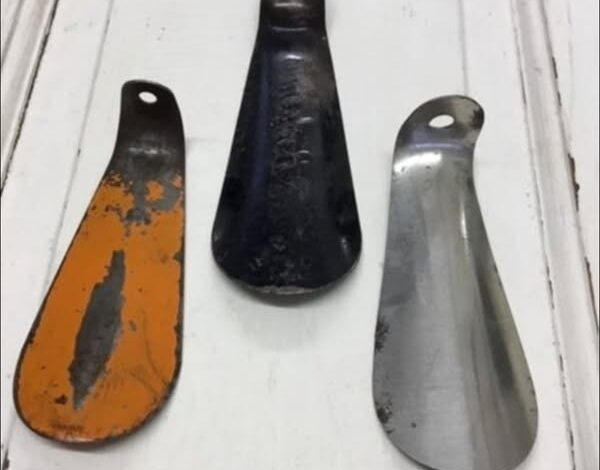
In today’s world of smart devices, AI technology, and constantly changing inventions, it is unusual to find an everyday tool that has stayed almost exactly the same for more than 500 years. While modern technology evolves rapidly, one simple object has quietly remained useful in homes around the world: the shoe horn. It does not need electricity, batteries, or software, yet it continues to play an important role in protecting footwear and making daily life easier.
The origins of the shoe horn date back to the 15th century. At that time, shoes were often handmade from stiff leather and were expensive to replace. Because the heel area of the shoe could easily lose its shape when people forced their feet inside, craftsmen created a simple solution using animal horns. The natural curve and smooth surface of the horn helped guide the foot into the shoe without damaging it. This protected the shoe’s structure and helped it last much longer.
As time passed, shoe horns began to be made from different materials such as wood, brass, steel, and eventually plastic. During the Victorian era, wealthy families even owned decorative shoe horns made from silver, ivory, or tortoiseshell. Many were engraved with artistic details and became symbols of elegance and social status. They were often displayed proudly alongside other grooming accessories.
In the modern era, mass production made shoe horns affordable and common in nearly every household. Although the materials changed, the design remained almost identical because it already worked perfectly. The curved shape smoothly guides the heel into the shoe while preventing damage to the back of the footwear. This simple design has proven its effectiveness for centuries.
The shoe horn is also valuable for health and comfort. Long-handled versions help elderly people and individuals with back pain, arthritis, or mobility problems put on shoes without bending down. In hospitals and care centers, they are considered an important assistive tool because they allow people to remain independent and dress themselves more easily.
Even today, shoe horns are still highly recommended for expensive leather shoes and formal footwear. Without one, repeatedly crushing the heel can weaken the shoe over time, causing cracks and loss of shape. Using a shoe horn helps preserve the quality and lifespan of shoes, especially high-end or handmade pairs.
Antique shoe horns have also become collectible items. Vintage designs from different historical periods reflect the craftsmanship, fashion, and lifestyle of earlier generations. They serve as small reminders of how people cared for their appearance and valued durable possessions.
In the end, the shoe horn is a perfect example of a simple but timeless invention. It may appear ordinary, but its practical design has improved comfort, protected footwear, and helped people maintain independence for hundreds of years. Sometimes the best inventions are not the most advanced—they are the ones that continue solving everyday problems generation after generation.